2-Year Diploma Program
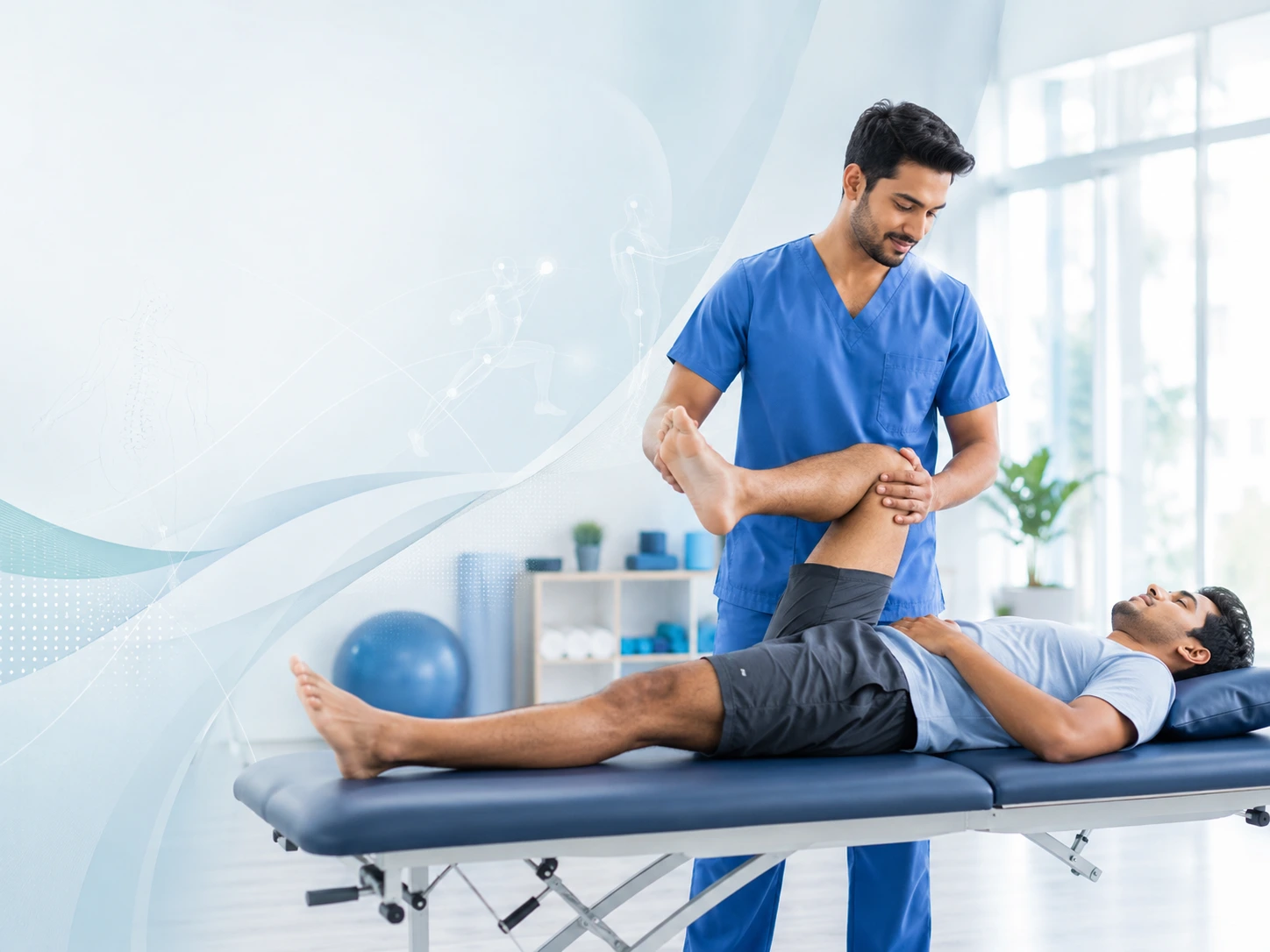
The Diploma in Physical Therapy is a two-year academic and practical program designed to prepare students with foundational knowledge and applied skills in rehabilitation, therapeutic exercise, movement science, patient support, and clinical care assistance.
The program introduces students to the science of human movement, anatomy, physiology, kinesiology, rehabilitation principles, injury prevention, and therapeutic techniques used to support patients with physical limitations, pain, injury, disability, or post-surgical recovery.
Rehabilitation is recognized by the World Health Organization as a set of interventions that help optimize functioning and reduce disability in people with health conditions, making this field increasingly important within modern healthcare systems.
Important note: This diploma is designed to prepare graduates for assistant, technician, support, rehabilitation, wellness, and progression-study roles. It does not by itself guarantee professional licensure as a Physical Therapist, Physiotherapist, or Physical Therapist Assistant in countries where these titles are regulated. Students should check local licensing requirements in the country where they intend to work.
Program Structure
Program Title: Diploma in Physical Therapy
Duration: 2 Academic Years
Study Mode: Full-time / Blended / On-campus practical training
Language of Instruction: English
Total Credits: 60 U.S. credits, or equivalent institutional credit structure
Delivery Format: Lectures, laboratory sessions, practical workshops, supervised clinical observation, case studies, and applied rehabilitation projects
Awarding Institution: American AACTD University
The program combines theoretical study with practical training. Students begin with core biomedical sciences and progress toward applied rehabilitation, therapeutic exercise, patient handling, electrotherapy principles, clinical documentation, and supervised practice.
Program Goals
The main goals of the Diploma in Physical Therapy are to:
- Provide students with a strong foundation in human anatomy, physiology, movement, and rehabilitation sciences.
- Develop practical skills in therapeutic exercise, patient mobility support, functional assessment, and rehabilitation assistance.
- Prepare students to work under the supervision of licensed healthcare professionals in rehabilitation-related settings.
- Promote ethical, safe, patient-centered, and evidence-informed practice.
- Support progression to higher qualifications in physiotherapy, rehabilitation sciences, sports therapy, exercise science, healthcare management, or related health fields.
- Contribute to the growing global need for rehabilitation services and trained rehabilitation support personnel, aligned with WHO’s Rehabilitation 2030 agenda.
Program Learning Outcomes
By the end of the program, students will be able to:
- Explain the structure and function of the human body, including musculoskeletal, neurological, cardiovascular, and respiratory systems.
- Demonstrate basic knowledge of pathology, injury mechanisms, disability, pain, and functional limitations.
- Apply principles of kinesiology and biomechanics to understand human movement and posture.
- Assist in the delivery of therapeutic exercise programs under professional supervision.
- Support patients safely in mobility, transfers, positioning, and basic rehabilitation activities.
- Use basic assessment and observation skills to document patient progress and functional performance.
- Demonstrate safe practice in rehabilitation environments, including infection control, manual handling, and professional conduct.
- Communicate effectively with patients, families, and healthcare teams.
- Apply ethical and cultural awareness in patient-centered care.
- Prepare for further academic study or supervised employment in rehabilitation, wellness, sports, and healthcare support environments.
Pathways Available
Students may choose or progress toward the following pathways:
1. General Physical Therapy Support Pathway
Focuses on rehabilitation assistance, patient mobility, therapeutic exercise support, and clinical care environments.
2. Sports Rehabilitation Support Pathway
Focuses on sports injuries, exercise prescription, injury prevention, conditioning, and recovery support.
3. Geriatric and Community Rehabilitation Pathway
Focuses on elderly care, fall prevention, mobility support, chronic conditions, disability support, and community-based rehabilitation.
4. Progression to Bachelor’s Degree
Graduates may use the diploma as a foundation for further studies in:
- Physical Therapy / Physiotherapy
- Rehabilitation Science
- Sports Therapy
- Exercise Science
- Health and Wellness
- Healthcare Management
- Occupational Therapy-related studies
Progression depends on the receiving university, country regulations, accreditation status, and credit transfer policies.
Possible Career Options
Graduates may pursue entry-level or supervised roles such as:
- Physical Therapy Assistant / Rehabilitation Assistant
- Physiotherapy Technician
- Rehabilitation Clinic Assistant
- Sports Rehabilitation Assistant
- Exercise Therapy Assistant
- Elderly Care Mobility Support Assistant
- Wellness and Fitness Rehabilitation Support Officer
- Hospital Rehabilitation Department Assistant
- Community Rehabilitation Support Worker
- Medical Center Patient Support Assistant
- Further study applicant in physiotherapy, rehabilitation, sports science, or health sciences
The U.S. Bureau of Labor Statistics projects strong growth for physical therapists, reflecting increasing demand for rehabilitation and movement-related healthcare services; however, professional practice requirements vary by country and licensing authority.
Program Curriculum and Structure with Learning Outcomes
Year 1 – Foundation Stage
| Module | Description | Key Learning Outcomes |
|---|---|---|
| Human Anatomy I | Introduction to the structure of the human body, with emphasis on bones, joints, muscles, and major body systems. | Identify major anatomical structures; explain musculoskeletal function; use anatomical terminology correctly. |
| Human Physiology I | Study of body systems and their normal functions. | Explain basic physiological processes; describe how body systems support movement and health. |
| Introduction to Physical Therapy | Overview of rehabilitation, physical therapy roles, ethics, patient care, and healthcare teamwork. | Describe the role of rehabilitation services; explain professional boundaries and supervised practice. |
| Kinesiology and Biomechanics | Study of movement, posture, joints, muscle action, and mechanical principles. | Analyze basic movement patterns; explain posture and gait principles. |
| Medical Terminology for Health Sciences | Health-related vocabulary used in clinical documentation and communication. | Use medical terminology accurately in oral and written communication. |
| Communication Skills in Healthcare | Patient communication, empathy, teamwork, and professional interaction. | Communicate respectfully with patients and healthcare teams; demonstrate patient-centered communication. |
| First Aid and Basic Life Support | Emergency response, basic first aid, and safety principles. | Apply basic emergency procedures; recognize common clinical safety risks. |
| Therapeutic Exercise I | Introduction to flexibility, strengthening, mobility, and basic exercise instruction. | Demonstrate basic therapeutic exercises; explain safety precautions and contraindications. |
Year 2 – Applied Practice Stage
| Module | Description | Key Learning Outcomes |
|---|---|---|
| Pathology and Clinical Conditions | Introduction to common orthopedic, neurological, cardiopulmonary, and age-related conditions. | Describe common conditions affecting movement; explain basic rehabilitation considerations. |
| Therapeutic Exercise II | Applied exercise planning for strength, balance, endurance, coordination, and function. | Assist in exercise program delivery; adapt exercises safely under supervision. |
| Manual Handling and Patient Mobility | Safe patient transfer, positioning, mobility assistance, and fall prevention. | Demonstrate safe transfer techniques; support mobility while reducing risk. |
| Electrotherapy and Physical Modalities | Introduction to heat, cold, ultrasound, TENS, and other modalities used in rehabilitation environments. | Explain the purpose and safety considerations of common modalities; identify professional supervision requirements. |
| Clinical Assessment and Documentation | Observation, basic measurement, progress notes, functional status, and reporting. | Record basic clinical observations; prepare clear and accurate documentation. |
| Sports Injury and Rehabilitation Support | Common sports injuries, recovery stages, prevention, and return-to-activity support. | Identify common injuries; assist in supervised rehabilitation and conditioning activities. |
| Community and Geriatric Rehabilitation | Rehabilitation for older adults, chronic conditions, disability, and community health settings. | Support elderly and community-based patients; explain fall prevention and functional independence strategies. |
| Supervised Clinical Practice / Practicum | Practical placement, simulation, or supervised clinical observation in approved settings. | Demonstrate professionalism, safe practice, teamwork, documentation, and practical rehabilitation support skills. |
Assessment Methods
Students are assessed through a combination of academic, practical, and professional methods, including:
- Written assignments
- Quizzes and midterm examinations
- Final examinations
- Practical skills demonstrations
- Laboratory performance assessments
- Case study analysis
- Patient scenario simulations
- Reflective journals
- Clinical observation reports
- Group presentations
- Portfolio of evidence
- Supervised practicum evaluation
- Capstone rehabilitation project
Assessment is designed to measure both theoretical understanding and practical readiness. Emphasis is placed on safe practice, professional behavior, communication, clinical reasoning, and evidence-informed rehabilitation support.
Entry Requirements
Applicants should normally meet the following requirements:
- High school diploma or equivalent qualification.
- Background in science is preferred, especially biology or health sciences.
- Minimum English language proficiency suitable for academic study.
- Interview may be required for applicants without a science background.
- Basic computer literacy.
- Medical fitness may be required before clinical practice or placement.
- Applicants may be required to provide vaccination records, police clearance, or health screening depending on clinical placement regulations.
Local and International Recognition, Awards, and Quality Marks to Pursue
The following are recommended awards, recognitions, certifications, or quality marks that the university may pursue. These should not be claimed on the website until they are officially obtained.
International Awards and Quality Recognitions
- ISO 21001 Certification – Educational Organizations Management System
This certification demonstrates that the institution has a structured management system focused on educational quality, learner needs, and continuous improvement. - IACET Accredited Provider Status
IACET accreditation can support the university in offering recognized continuing education units for professional development and short courses. - CPD Certification Service Accreditation
The university may seek CPD accreditation for selected short courses, workshops, and professional development training in rehabilitation, sports therapy, elderly care, and wellness. - Quality Matters Course Certification
For online or blended delivery, the university may pursue Quality Matters certification to demonstrate that selected online courses meet recognized quality standards for digital learning. - World Physiotherapy Educational Alignment Review
The curriculum may be benchmarked against World Physiotherapy education principles and professional expectations, especially regarding ethics, evidence-based practice, and safe patient-centered care. - CAPTE Benchmarking Review – Advisory Only
In the United States, CAPTE accredits entry-level physical therapist and physical therapist assistant programs. If the university intends to position the program for U.S.-style professional pathways, it should conduct a formal gap analysis against CAPTE expectations before making any accreditation-related claim.
Local Awards and Institutional Recognitions to Create
The university may also establish internal and local awards such as:
- Dean’s Award for Excellence in Rehabilitation Practice
Awarded to the highest-performing student in practical clinical skills. - Patient-Centered Care Award
Awarded to students who demonstrate outstanding empathy, communication, and ethical behavior. - Best Clinical Portfolio Award
Awarded for the strongest practicum portfolio and reflective learning record. - Sports Rehabilitation Innovation Award
Awarded for the best student project related to sports injury prevention or recovery. - Community Rehabilitation Service Award
Awarded to students participating in community health, elderly support, or disability awareness initiatives. - Academic Excellence in Physical Therapy Sciences Award
Awarded to students with outstanding performance in anatomy, physiology, kinesiology, and rehabilitation science. - Rehabilitation Research Poster Award
Awarded for the best evidence-based student poster or applied research project.