Program Overview
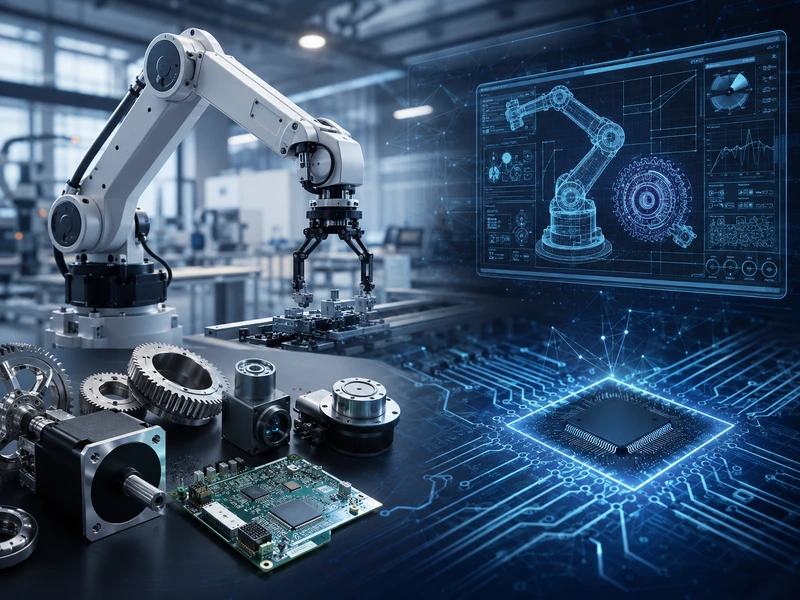
The Master’s Degree in Mechatronics Engineering is an advanced interdisciplinary program designed to prepare engineers for the design, development, integration, and management of intelligent electromechanical systems. The program combines mechanical engineering, electrical and electronic engineering, embedded systems, computer control, robotics, artificial intelligence, automation, sensors, actuators, and smart manufacturing technologies.
Mechatronics is widely understood as the integration of mechanical systems, electronic systems, control systems, and computing. ASME describes mechatronics through the overlap of mechanical systems, electronics, control, and computers, while O*NET defines mechatronics engineers as professionals who research, design, develop, or test automation, intelligent systems, smart devices, and industrial control systems.
The program is suitable for graduates of mechanical engineering, electrical and electronic engineering, control engineering, computer engineering, industrial engineering, automation engineering, and related applied science fields.
Program Learning Outcomes
Upon successful completion of the Master’s Degree in Mechatronics Engineering, graduates will be able to:
- Apply advanced engineering mathematics, modelling, simulation, and analytical tools to solve complex mechatronic engineering problems.
- Design integrated mechatronic systems that combine mechanical components, electronic circuits, sensors, actuators, embedded controllers, and software.
- Develop control systems for robotic, automated, and intelligent machines using modern control theory and digital control methods.
- Select and integrate appropriate sensors, actuators, motors, drives, and embedded platforms for industrial and smart technology applications.
- Use CAD, simulation, programming, and engineering software tools to model, prototype, test, and optimize mechatronic products and systems.
- Design automation and robotics solutions for manufacturing, industrial processes, smart devices, mobility systems, and intelligent machines.
- Conduct engineering research, experiments, system testing, data analysis, and technical evaluation to support evidence-based engineering decisions.
- Apply professional engineering ethics, safety standards, sustainability principles, and risk assessment in the design and operation of mechatronic systems.
- Communicate technical concepts, design proposals, research findings, and engineering solutions effectively to specialist and non-specialist audiences.
- Work independently and collaboratively in multidisciplinary engineering teams, demonstrating leadership, project management, and innovation skills.
These outcomes are aligned with international engineering education expectations such as problem-solving, engineering design, communication, ethics, teamwork, experimentation, and continuous learning, which are central elements in ABET’s engineering student outcomes.
Program Goals
The Master’s Degree in Mechatronics Engineering aims to:
- Prepare highly skilled engineers capable of designing intelligent, automated, and cyber-physical engineering systems.
- Provide advanced theoretical and practical knowledge in modelling, analysis, design, and control of mechatronic systems.
- Equip students with specialist skills in robotics, embedded systems, automation, sensors, actuators, intelligent mechanisms, and industrial control.
- Support innovation in smart manufacturing, Industry 4.0, autonomous systems, IoT-enabled devices, and advanced engineering products.
- Develop research-capable graduates who can progress to doctoral study, applied research, product development, or senior engineering roles.
- Strengthen students’ ability to solve real industrial problems through laboratory work, simulation, prototyping, case studies, and a final thesis or capstone project.
These goals reflect common graduate mechatronics programme aims found in established universities, including advanced knowledge in modelling, analysis, design, control, robotics, sensor and actuator technologies, embedded systems, intelligent mechanisms, and automation.
Possible Career Options
Graduates may pursue careers in advanced engineering, automation, robotics, manufacturing, research and development, and smart technology sectors. Possible roles include:
| Career Path | Typical Areas of Work |
|---|---|
| Mechatronics Engineer | Smart systems, automation, electromechanical design |
| Robotics Engineer | Robotic arms, mobile robots, autonomous systems |
| Automation Engineer | Industrial automation, PLC systems, production lines |
| Control Systems Engineer | Feedback control, motion control, process control |
| Embedded Systems Engineer | Microcontrollers, real-time systems, smart devices |
| Industrial IoT Engineer | Connected machines, sensors, data acquisition |
| Smart Manufacturing Engineer | Industry 4.0 systems, digital factories |
| Product Development Engineer | Intelligent devices, prototypes, engineering products |
| R&D Engineer | Applied research, testing, innovation projects |
| Maintenance and Reliability Engineer | Automated equipment, robotic systems, diagnostics |
| Systems Integration Engineer | Integration of mechanical, electrical, and software systems |
| Technical Project Manager | Engineering project planning and implementation |
O*NET lists common mechatronics-related job titles such as Automation Engineer, Control Systems Engineer, Equipment Engineer, Process Controls Engineer, Project Engineer, and R&D Engineer. The U.S. Bureau of Labor Statistics also notes that mechanical engineers are expected to be needed as manufacturing processes incorporate more complex automation machinery.
Program Curriculum
Suggested Program Duration: 2 academic years
Suggested Credit Structure: 36 U.S. credit hours
Award: Master of Science in Mechatronics Engineering
Study Mode: On-campus, blended, or online-supported delivery, subject to institutional approval
Final Requirement: Thesis or Applied Engineering Capstone Project
Year 1 – Semester 1
| Course Code | Course Title | Credits |
|---|---|---|
| MCE 501 | Advanced Engineering Mathematics for Mechatronics | 3 |
| MCE 502 | Modelling and Simulation of Mechatronic Systems | 3 |
| MCE 503 | Sensors, Actuators and Instrumentation | 3 |
| MCE 504 | Embedded Systems and Microcontroller Applications | 3 |
Semester Focus: Students develop strong foundations in mathematical modelling, system simulation, sensors, actuators, measurement systems, and embedded control platforms. Graduate mechatronics programmes commonly include modelling of physical systems, electromechanical actuators, robotic systems, state-space representation, and simulation.
Year 1 – Semester 2
| Course Code | Course Title | Credits |
|---|---|---|
| MCE 505 | Advanced Control Systems Engineering | 3 |
| MCE 506 | Robotics Engineering and Robot Kinematics | 3 |
| MCE 507 | Digital Signal Processing and Machine Vision | 3 |
| MCE 508 | Mechatronic System Design and Prototyping | 3 |
Semester Focus: Students advance into control theory, robotics, machine vision, signal processing, and complete integrated design projects involving hardware, software, and mechanical subsystems. Mechatronic system design typically covers product specifications, concept selection, sensing and actuation, control systems, hardware design, and embedded computing platforms.
Year 2 – Semester 3
| Course Code | Course Title | Credits |
|---|---|---|
| MCE 601 | Industrial Automation and PLC Systems | 3 |
| MCE 602 | Artificial Intelligence for Mechatronic Systems | 3 |
| MCE 603 | Smart Manufacturing and Industry 4.0 | 3 |
| MCE 604 | Research Methods and Engineering Innovation | 3 |
Semester Focus: Students explore industrial automation, AI-enabled systems, smart manufacturing, engineering research methods, and innovation management.
Year 2 – Semester 4
| Course Code | Course Title | Credits |
|---|---|---|
| MCE 690 | Master’s Thesis or Applied Engineering Capstone Project | 6 |
| MCE 691 | Graduate Engineering Seminar | 0 |
| MCE 692 | Professional Practice, Ethics and Engineering Management | 3 |
Semester Focus: Students complete a substantial research thesis or applied capstone project involving the design, development, testing, and evaluation of a real mechatronic system.
Suggested Elective Courses
Students may choose electives according to their specialization pathway and academic background:
| Elective Course | Area |
|---|---|
| Autonomous Mobile Robots | Robotics and autonomy |
| Advanced PLC and SCADA Systems | Industrial automation |
| Electric Drives and Motion Control | Motors and control |
| Machine Learning for Engineers | AI and data-driven control |
| Internet of Things for Industrial Systems | IIoT and smart devices |
| Additive Manufacturing and Rapid Prototyping | Advanced manufacturing |
| Renewable Energy Mechatronic Systems | Energy systems |
| Biomedical Mechatronics | Medical devices and assistive systems |
| Automotive Mechatronics | Vehicle systems and EV technologies |
| Human-Robot Interaction | Robotics and intelligent machines |
Thesis / Capstone Project Examples
Students may complete a research-based thesis or an applied industrial project in areas such as:
| Project Area | Example Topic |
|---|---|
| Robotics | Design of a robotic arm with vision-based object detection |
| Automation | PLC-based smart production line monitoring system |
| Embedded Systems | Real-time microcontroller control of a balancing robot |
| AI and Mechatronics | Predictive maintenance system using sensor data |
| Smart Manufacturing | Digital twin model for an automated assembly process |
| Medical Mechatronics | Assistive robotic device for rehabilitation |
| Energy Systems | Smart control system for solar tracking |
| Automotive Systems | Electric vehicle battery cooling control system |
Entry Requirements
Applicants should normally meet the following requirements:
- A bachelor’s degree in mechatronics engineering, mechanical engineering, electrical and electronic engineering, control engineering, computer engineering, industrial engineering, automation engineering, or a closely related discipline.
- Applicants from other engineering or applied science backgrounds may be considered if they demonstrate sufficient preparation in mathematics, dynamics, control systems, programming, electronics, or related technical subjects. Similar graduate engineering programmes accept applicants from related engineering and scientific disciplines when they can demonstrate strong mathematical and technical preparation.
- Minimum undergraduate GPA: normally 2.50 out of 4.00 or equivalent. Higher requirements may apply for thesis-based admission.
- English language proficiency, where applicable, through IELTS, TOEFL, Duolingo, institutional English test, or equivalent evidence of prior English-medium study.
- Statement of purpose explaining the applicant’s academic background, professional goals, and interest in mechatronics engineering.
- Updated CV or résumé.
- Academic transcripts and degree certificate.
- Two academic or professional recommendation letters.
- Applicants with limited background in electronics, programming, control systems, or engineering mathematics may be required to complete prerequisite or foundation modules before starting the main master’s curriculum. Some universities use a scientific preparation or bridging model for students from related science and engineering backgrounds.
Assessment Methods
Students are assessed through a combination of academic, practical, and research-based methods, including:
| Assessment Type | Purpose |
|---|---|
| Written assignments | Evaluate theoretical understanding and analytical skills |
| Laboratory reports | Assess experimental work, testing, and technical documentation |
| Design projects | Measure integration of mechanical, electronic, and software systems |
| Simulations | Assess modelling, control, and system optimization skills |
| Presentations | Develop technical communication and professional reporting |
| Examinations | Test mastery of core engineering concepts |
| Research proposal | Prepare students for thesis or capstone work |
| Thesis / Capstone project | Demonstrate independent research, design, implementation, and evaluation |
Proposed Local and International Awards
The following award titles can be created by the university or used as target award categories for institutional recognition, student competitions, industry partnerships, and annual graduation events.
Local Awards
| Award Name | Purpose |
|---|---|
| AACTD Smart Automation Excellence Award | For the best student project in industrial automation |
| AACTD Robotics Innovation Award | For outstanding robotic system design |
| AACTD Industry 4.0 Applied Engineering Award | For projects linked to smart manufacturing and digital transformation |
| AACTD Mechatronics Research Achievement Award | For high-quality master’s thesis research |
| AACTD Engineering Prototype of the Year | For the most functional and market-ready prototype |
| AACTD Women in Mechatronics Leadership Award | To encourage female participation in advanced engineering |
| AACTD Sustainable Mechatronic Design Award | For projects addressing energy efficiency, sustainability, or environmental benefit |
| AACTD Industrial Partner Innovation Prize | Awarded with a local company for solving a real industrial problem |
International Awards and Recognition Targets
| Award Name | Purpose |
|---|---|
| International Smart Systems Innovation Award | For globally competitive mechatronics projects |
| Global Robotics and Automation Excellence Award | For advanced robotics and automation achievements |
| International Mechatronics Capstone Challenge Award | For final-year master’s capstone projects |
| Global Industry 4.0 Engineering Award | For smart manufacturing and digital factory projects |
| International Embedded Intelligence Award | For embedded AI, IoT, and smart device projects |
| Global Sustainable Automation Award | For automation projects with sustainability impact |
| International Engineering Entrepreneurship Award | For projects with commercialization potential |
| AACTD International Research Publication Award | For students who publish research in recognized journals or conferences |